As of April 28, 2026, three separate authorities set the rules for a spray booth. Unfortunately, each has its own scope, so clearing one does not clear the other two.
Failure has consequences. OSHA alone can assess up to $16,550 for a serious violation and $165,514 for a willful or repeated one. Those figures apply per violation, not per inspection, and anything left uncorrected keeps adding up daily.
The new rules also cover chemicals. In particular, the
EPA’s prohibition on most commercial uses of methylene chloride took full effect on April 28, 2026. So a stripper that was legal for routine work last spring is no longer legal.
In short, compliance is different this year and, potentially, going forward. Read on for how the three authorities divide the work, what that prohibition means for older stripping products, and which long-standing rules still draw citations.
Which Authority Actually Governs Your Booth
OSHA and EPA write federal rules and can inspect you for them, while NFPA 33 carries force only once your local jurisdiction adopts it.
However, that split does not mean you answer to one at a time.
OSHA Sets Two Separate Standards
OSHA covers your booth twice, and the two standards do different jobs. 29 CFR 1910.107 addresses fire and explosion, from booth construction to ventilation and interlocks. Meanwhile, 1910.94(c) covers health hazards and requires that spray finishing happen inside a booth or spray room.
NFPA 33 Reaches You Through Local Enforcement
OSHA inspects for its own standards, while the fire code arrives by a different route. NFPA 33 is not federal law. Your fire marshal, building department, or insurance carrier enforces it instead. Many jurisdictions also apply the International Fire Code, and where the two differ, the stricter version governs.
EPA 6H Governs What Leaves Your Exhaust
Fire and worker safety cover conditions inside the booth, and air emissions are a separate question. EPA’s 6H rule requires filters proven to capture 98% of overspray, plus painter training refreshed every five years.
Many states administer the rule under delegation. So expect a state inspector to check your system.
EPA Paint Booth Compliance Changes That Took Effect in April
Under the Toxic Substances Control Act, EPA prohibited most commercial and industrial uses of methylene chloride, effective April 28, 2026.
Paint and coating removal sits among those prohibited uses. The methylene chloride ban for paint booth operators rules these strippers out of routine work.
Where the Solvent Can Still Be Used
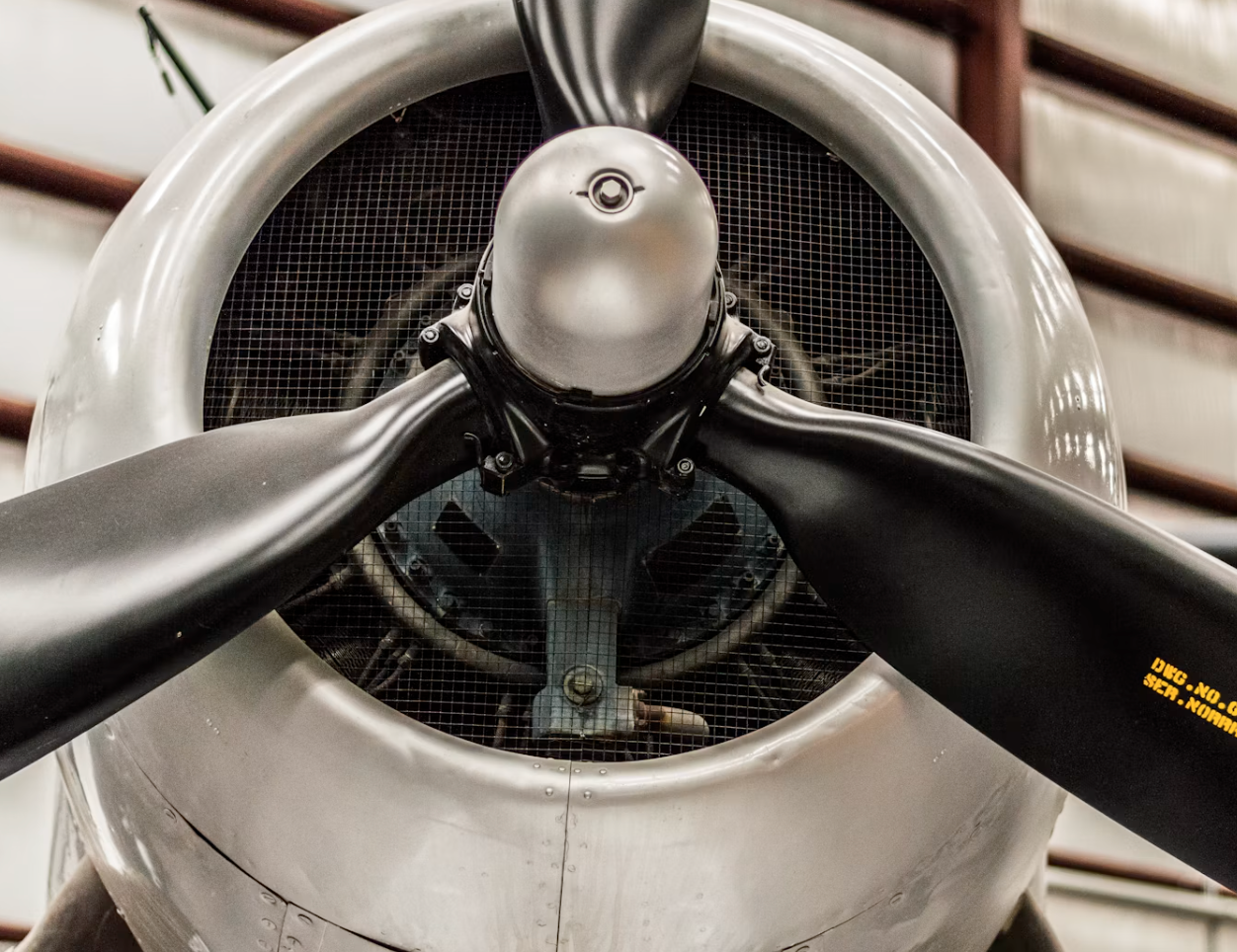
The rule keeps 13 uses open, and two of them reach finishing work. Paint and coating removers remain permitted for safety-critical, corrosion-sensitive aircraft and spacecraft components. A narrow furniture refinishing use continues until May 8, 2029, after which it ends.
What an Exception Costs To Keep
Qualifying for an exception is not the end of it. Every continued use falls under EPA’s Workplace Chemical Protection Program. That program caps inhalation exposure at 2 ppm over an eight-hour shift, well below OSHA’s older limit of 25 ppm.
Meeting the lower figure takes monitoring and a written exposure control plan.
OSHA Paint Booth Regulations in 2026 Left Unchanged
New rules draw attention, and older ones draw citations. In our experience, three long-standing requirements account for most of what inspectors write up.
Overspray Buildup Is a Fire Finding
OSHA requires spraying areas to be kept as free of combustible residue as practical, with cleaning daily if necessary. Because the provision sits in the fire section of the standard, an inspector treats heavy buildup as an ignition risk.
Solvent Storage Follows Its Own Rule
Residue inside the booth is one exposure, and what sits outside it is another. Flammable liquids kept for spraying fall under 1910.106, which governs both quantity and container type.
Suppression Records Have To Exist on Paper
Both of those findings depend on what an inspector sees. The third depends on what you can produce. Suppression systems serving a booth need documented inspections, and an undocumented one counts the same as a missed one.
Your State Can Require More Than the Federal Rules
Federal rules set a floor, not a ceiling. Because EPA delegates 6H enforcement to many state agencies, those agencies can attach their own permitting on top of it.
Massachusetts paint booth operators must hold an air permit set by the VOCs they emit. Meanwhile, Minnesota body shops may owe 6H obligations whether or not they hold a state air permit.
So the same booth can be fully compliant in one state and missing a permit in another.
What To Have Ready Before an Inspection
One question we get asked before inspections is what documents to have on hand. Here’s a shortlist of what you will need.
- Filter certificates showing 98% capture efficiency
- Painter training records with refresher dates within the past five years
- Your 6H initial notification and compliance status filing
- Fire suppression inspection reports, dated and signed
During an inspection, there’s a chance that the inspector will look at three areas, which are common causes for getting a citation:
- Combustible residue on booth walls, floors, or light lenses
- Solvent stored in the booth or in open containers
- Ventilation below design airflow, or interlocks bypassed
After an inspection, there are three bodies to notify:
- Your state environmental agency for 6H and any state air permit
- Your fire marshal for the fire code edition your jurisdiction enforces
- Your insurance carrier for suppression inspection intervals
Bring Your Booth in Line With the 2026 Rules
Three authorities, one booth, and a prohibition that took effect in April can be a lot to track. Why find three different vendors to keep your booths 2026-compliant?
Our technicians check booths against OSHA construction and ventilation rules, current fire code, and 6H recordkeeping during a single visit.
Request a compliance-focused booth assessment and learn what an inspector would find before one arrives.