A painter forced to contort around poorly placed equipment burns extra energy on each pass. Over an eight-hour shift, this leads to fatigue, inconsistency, and possible injury.
If this sounds familiar, your business might benefit from ergonomic paint booth design.
Choose booths designed around the physical demands of the work to help painters stay sharper, finish more consistently, and lose fewer days to injuries that could have been prevented by design.
Read on to learn more about the link between your spray booth, worker safety, and productivity.
What Ergonomics Actually Means in a Paint Operation
Ergonomics in industry focuses on designing a productive paint booth layout to suit your workers’ bodies and tasks. When booth designs match worker needs, these stressors are prevented:
- Extended overhead work that loads the anterior deltoid, trapezius, and neck
- Prolonged reaching and trunk twisting that stress the lower back
- Repetitive trigger pulls that accumulate into wrist and carpal tunnel injuries
Key Ergonomic Design Elements in Paint Booths
The physical layout of a booth dictates how much unnecessary movement a painter makes on every job.
Booths vary, but three areas matter most.
Work Zone Layout and Access Clearances
Booths built just to meet minimum compliance often leave painters cramped. Generous clearance on all sides allows proper body repositioning instead of awkward arm movements.
Also, work zones should flow in this order:
- Entry
- Staging
- Spray
- Exit
This layout eliminates backtracking and crossing paths, saving time and increasing productivity.
Turntables and rotating fixtures for small parts let painters hold a steady, neutral stance—no twisting or bending needed.
Adjustable Platforms, Lifts, and Floor Grating
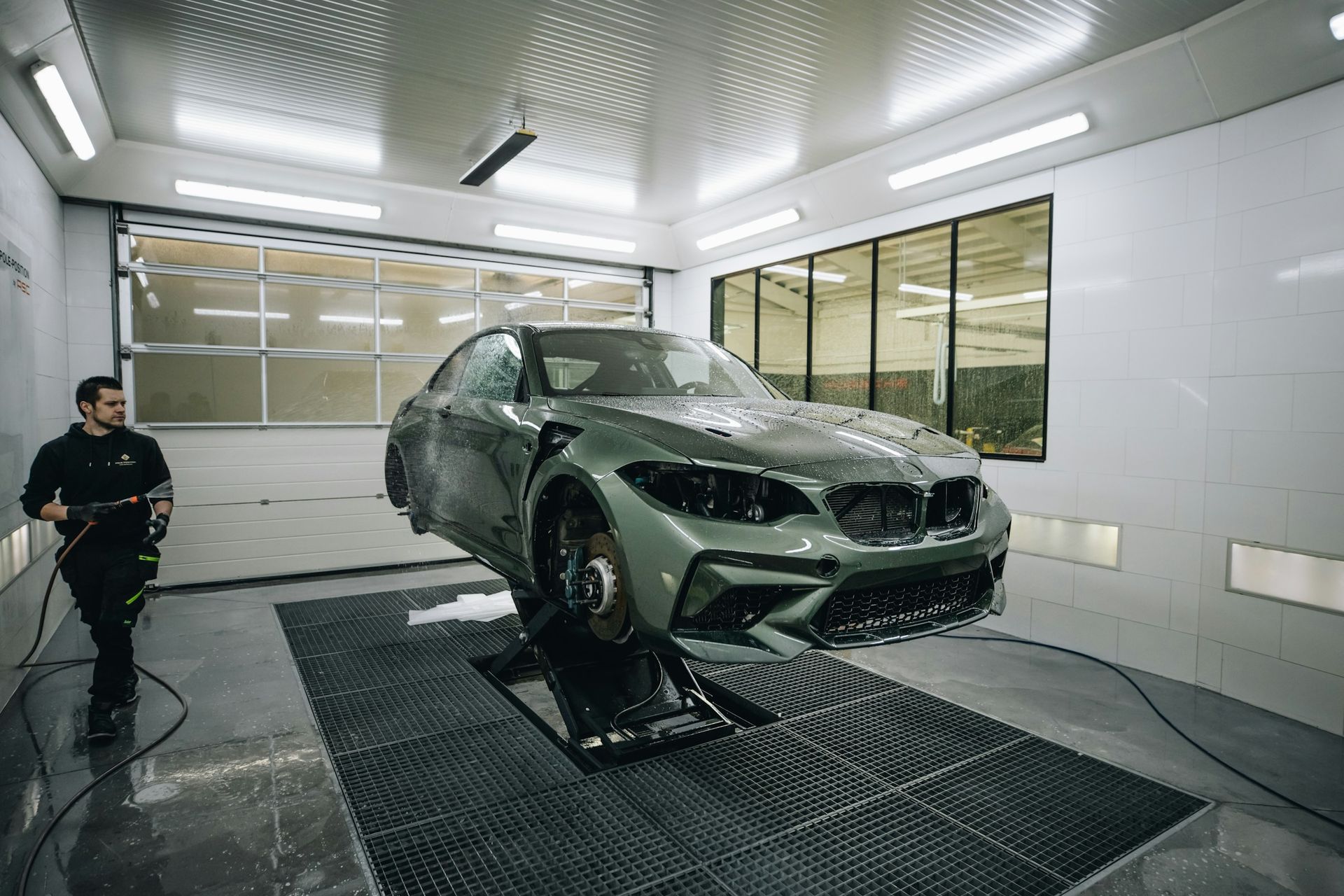
Fixed-height surfaces are workstations that do not move up or down, so painters must lift their arms above shoulder height to reach upper surfaces and bend awkwardly to reach lower ones. In contrast, adjustable equipment like scissor lifts (platforms that move up and down) or rail-guided platforms (mechanized surfaces that travel along tracks) brings the work to the painter’s ideal spray height.
Control Placement, Gun Holders, and Lighting
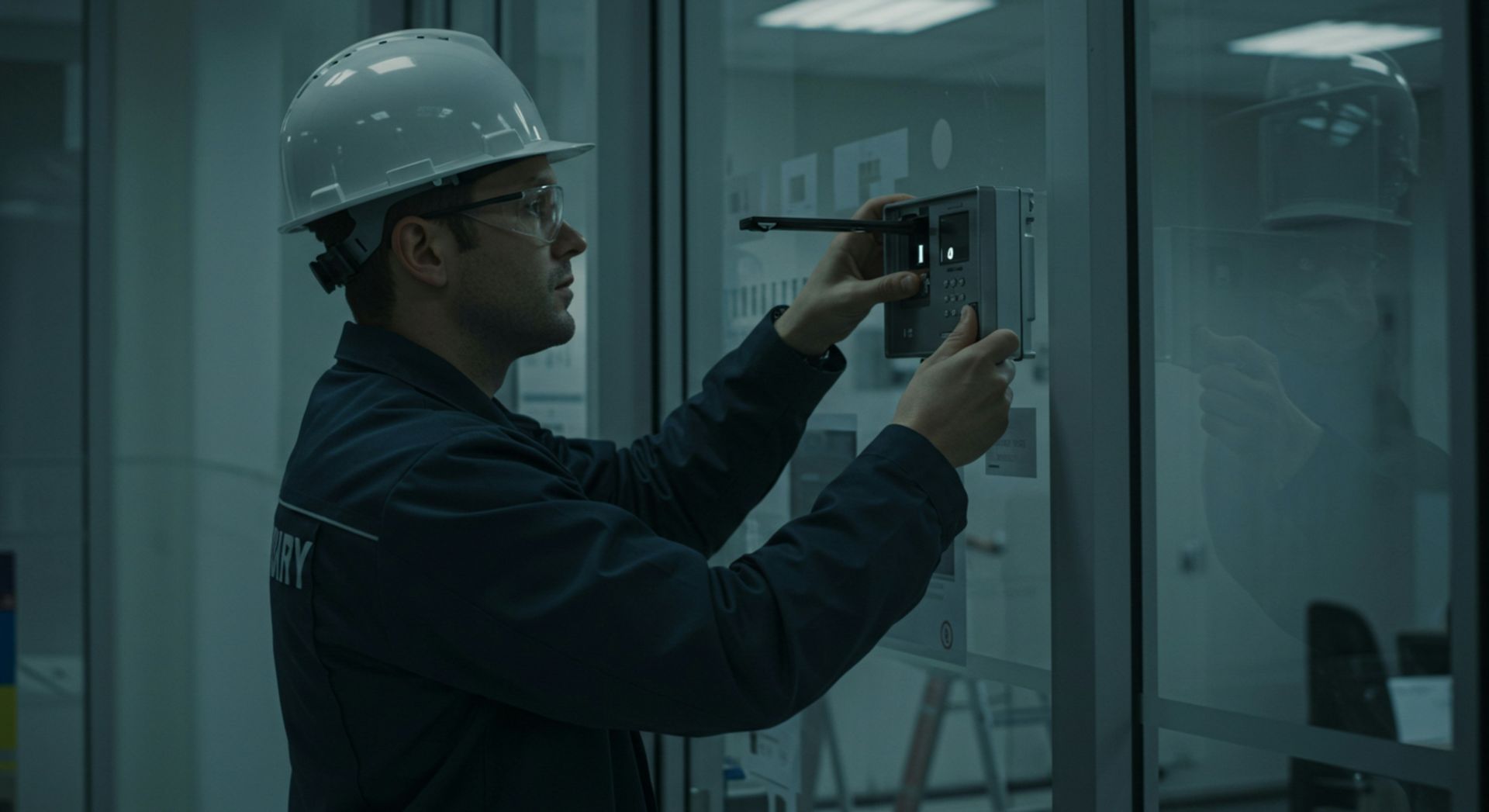
Every tool your painter uses regularly should be within neutral reach. Control panels at elbow height eliminate unnecessary shoulder elevation during system checks.
Set gun holders and hose management systems at a natural grab height. This keeps cords off the floor and allows painters to set down equipment without bending. Place lighting at working height to reduce visual strain and the need to lean.
Reducing Fatigue and Injury Risk
To create a productive paint booth, adjust your environment to reduce fatigue and injury risk.
Airflow Direction and Exhaust Positioning
Downdraft systems are the strongest ergonomic choice because they move air downward and away from the painter’s breathing zone. With this single feature, painters won’t need to reposition to avoid overspray turbulence.
A uniform downward exhaust allows painters to maintain a consistent stance and spray angle throughout the job, eliminating the need to fight the airflow.
Anti-Fatigue Flooring and Climate Control
Hard concrete floors quickly cause fatigue in legs and feet during long shifts. Anti-fatigue matting or composite grating—special floor materials designed to reduce impact—helps reduce strain on feet, knees, and lower back over time.
Climate control and
ventilation
are important for productivity and safety. Higher temperatures reduce painter effectiveness and can increase safety risks.
Standardizing Tools and Work Practices
Ergonomic benefits from good booth design fade if tool selection is inconsistent. For spray booth and worker safety, use the following:
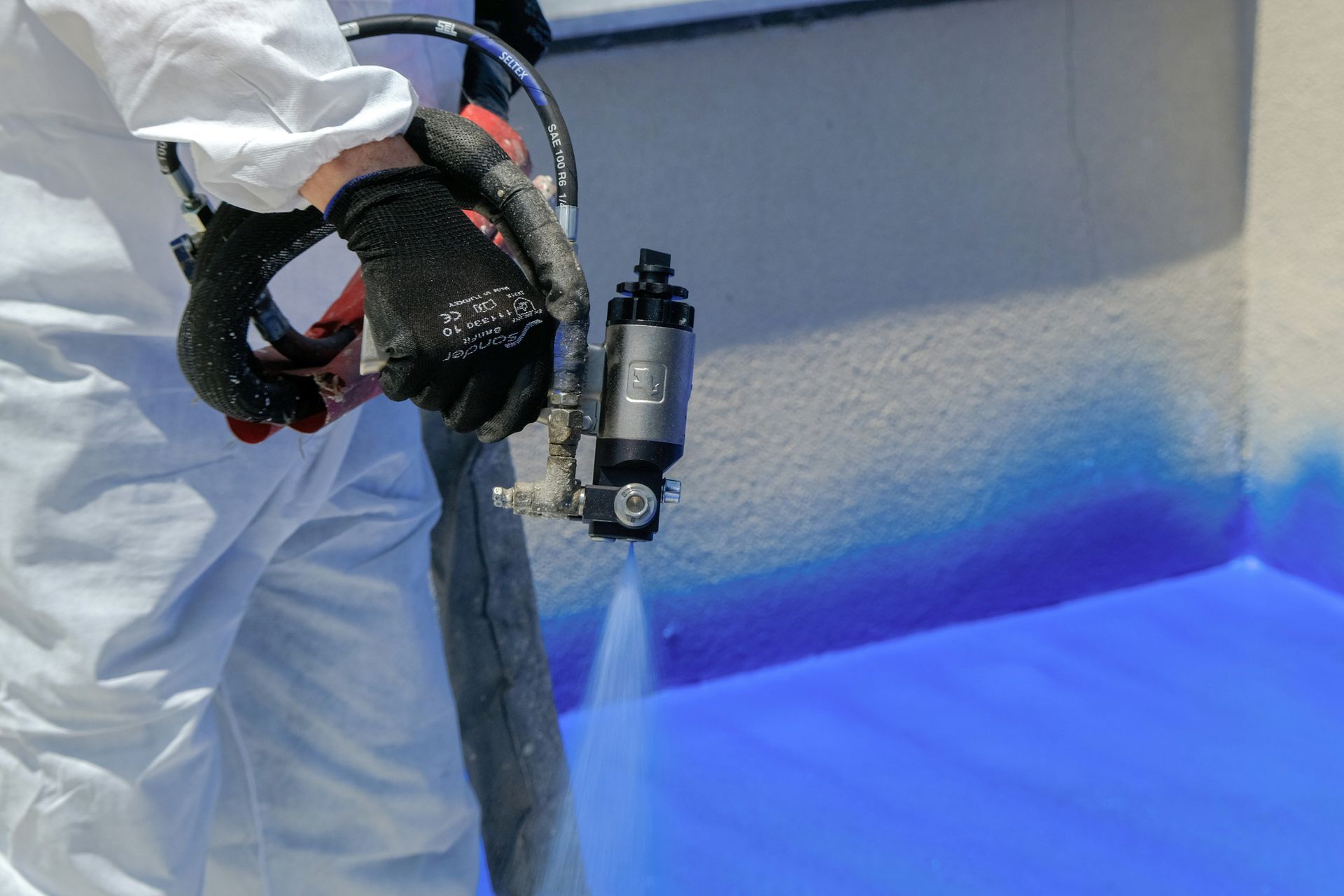
- Lightweight spray guns with low trigger pull force to prevent index finger strain
- Swivel hose connections to reduce cumulative wrist and shoulder load across a shift
- Standardizing gun selection
- Rotating task assignments within longer shifts to distribute physical workload
Productivity Gains From Ergonomic Booths
When you switch to ergonomic paint booth designs, the return on investment is noticeable. Benefits include the following:
- Tighter first-pass quality: When painters maintain proper spray angle and gun distance without compensating for cramped access, finishes are more consistent and require less rework.
- Faster cycle times: Eliminating the rework loop allows the booth to turn over faster. More jobs move through daily, and your schedule stays on track.
- Lower injury costs: The average carpal tunnel claim costs
about $34,774. Reducing the physical load through booth design lowers the likelihood of these claims.
Planning an Ergonomic Upgrade or New Installation
Whether you’re retrofitting an existing booth or building from scratch, the process starts in the same place.
Start With Your Injury and Complaint Data
Painter complaints, near-miss reports, and recurring injuries show where the booth fails the body. Focus on problem areas first.
Prioritize by Complaint and Injury Frequency
Changes that address the most common physical stressors deliver the fastest return. Start there before addressing less frequent issues.
Build It In. Don’t Bolt On.
A productive layout is easier with a new build, while retrofitting ergonomic features requires compromise.
Work With an Expert
Designers with specific industry experience—such as automotive, aviation, or heavy equipment—spot constraints a generalist might miss.
Build a Booth Your Team Can Work in for the Long Haul
Ergonomic paint booth design reduces injuries, lowers touch-up rates, and keeps painters productive throughout, letting them focus on the finish rather than compensating for a restrictive space.
Ready to boost productivity and protect your team? Contact GSB Industries now for expert ergonomic paint booth design that works as hard as your painters do.