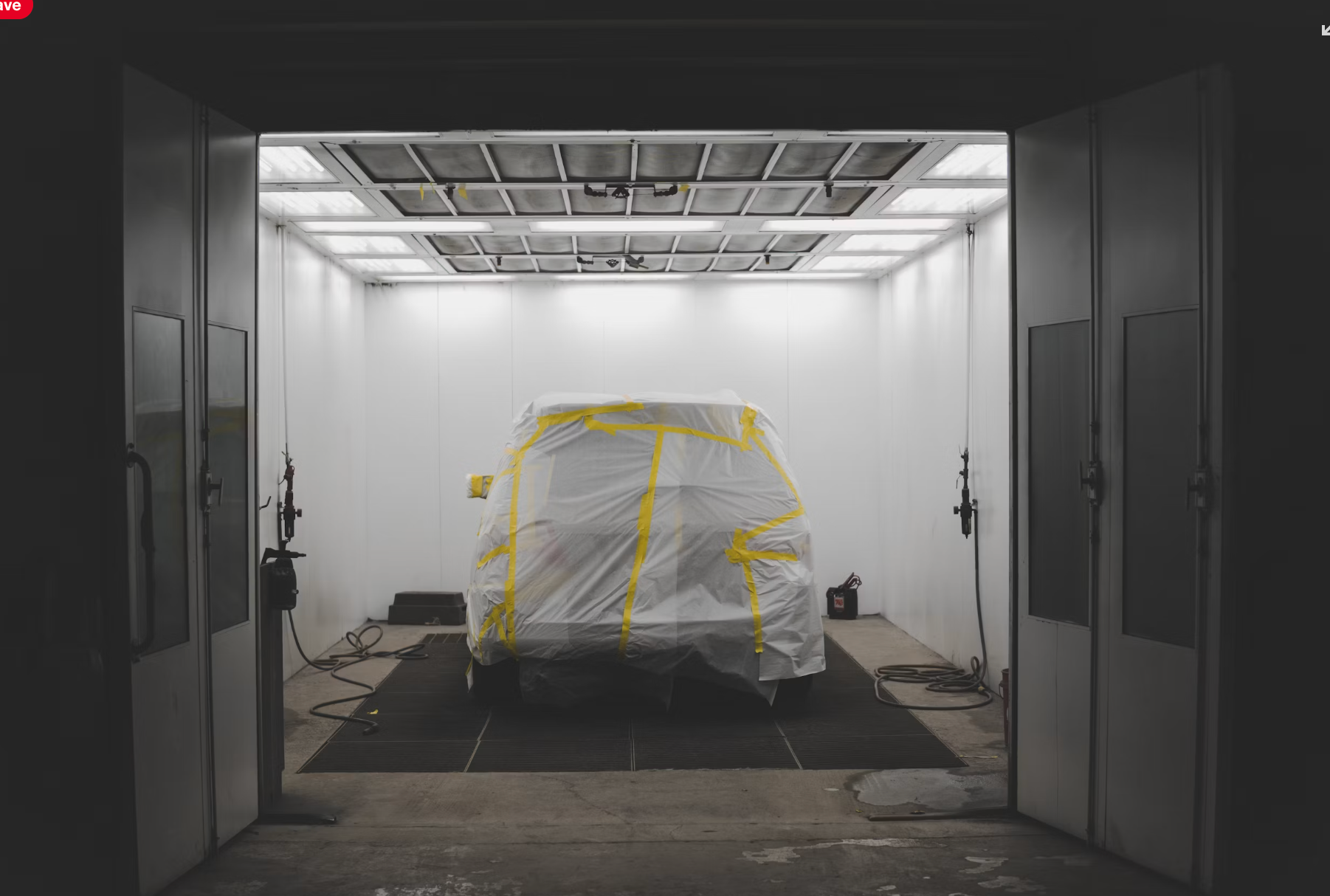
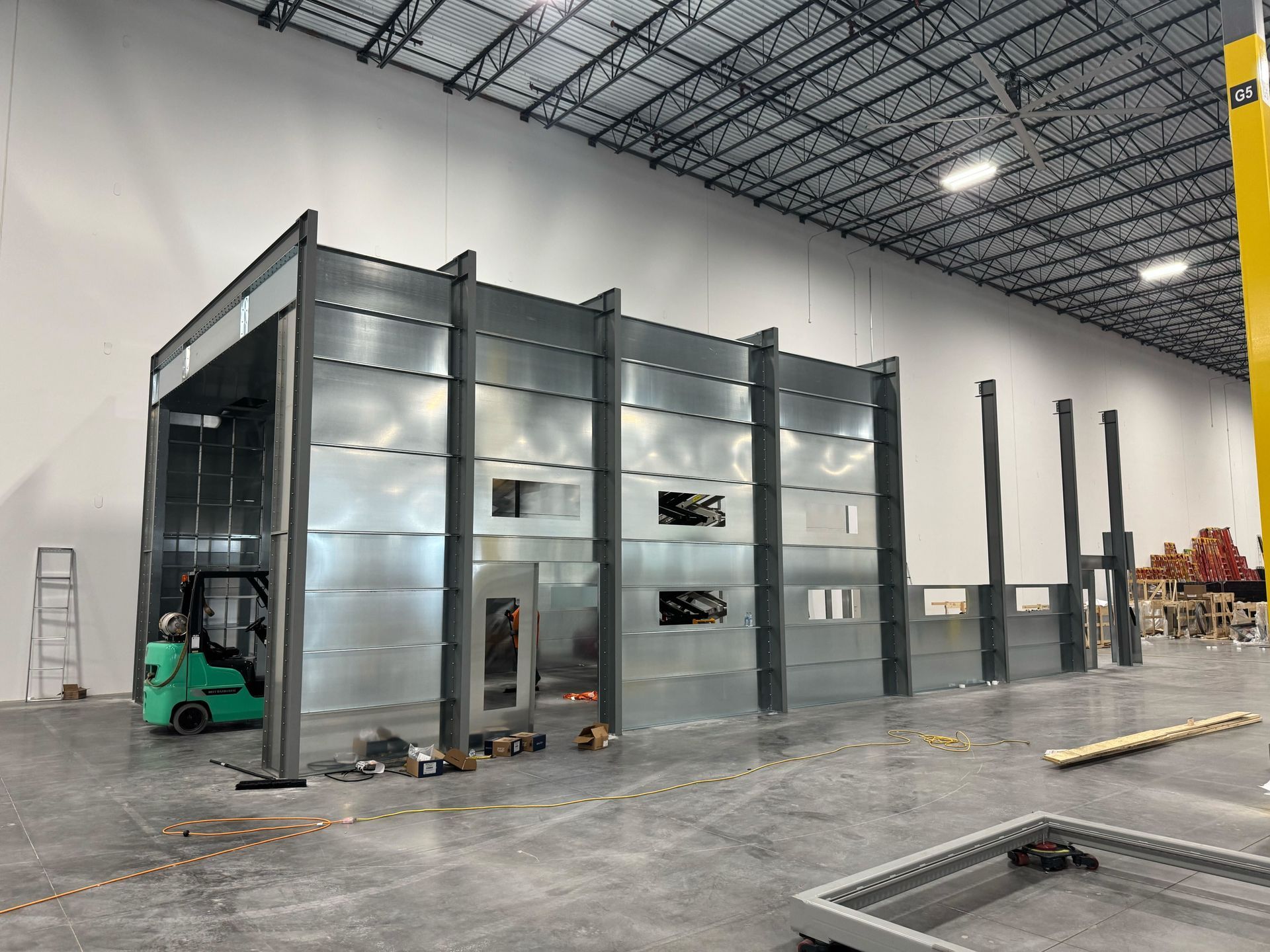
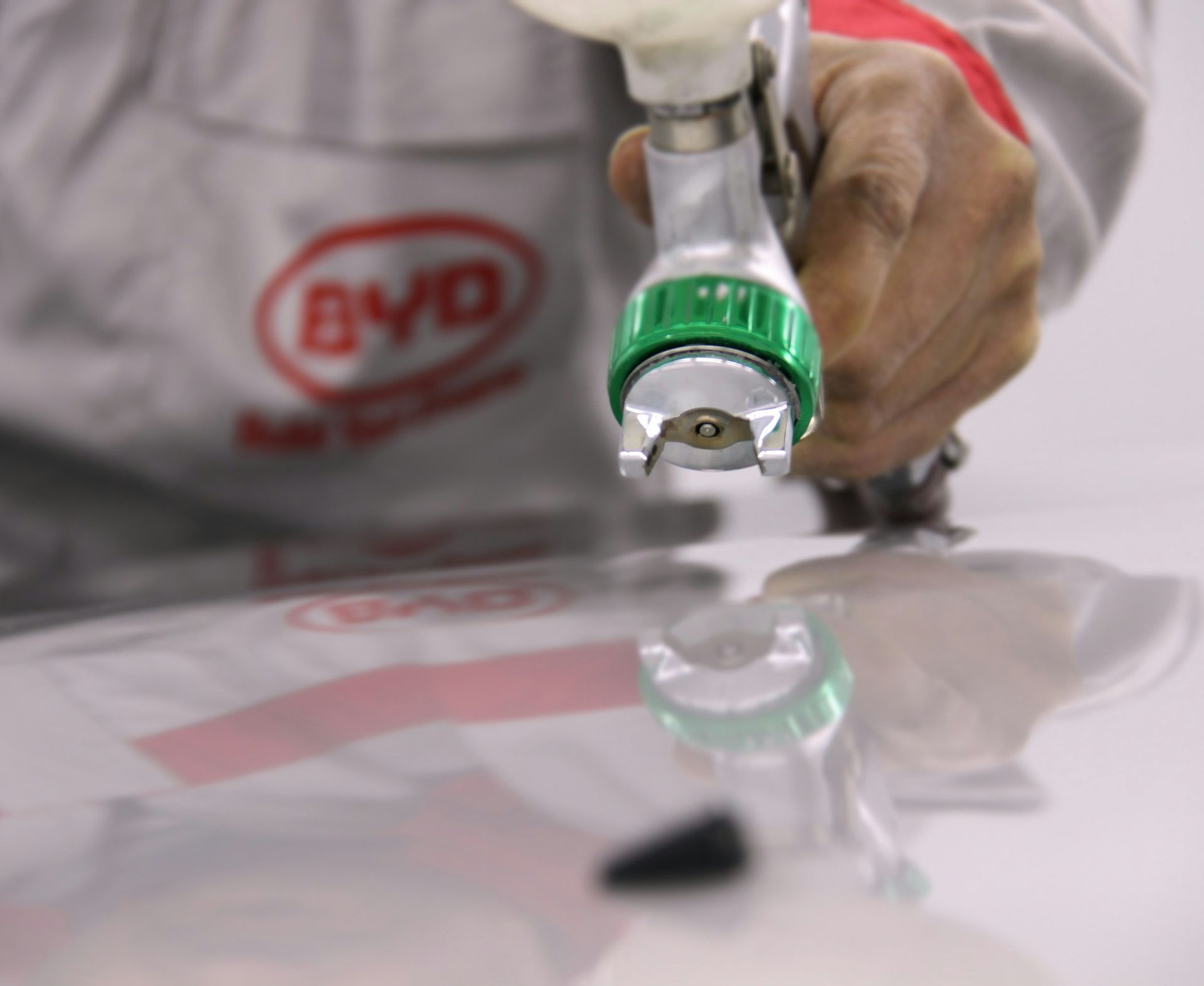
If you work in the automotive, industrial, aviation, fleet, or manufacturing industry, you need high-performance spray booths and, more importantly, healthy workers. There is nothing more important than the individuals inside your units and facilities. As such, you must think beyond compliance in paint booth ventilation.
Ventilation is the process of bringing fresh air into a workspace and keeping it moving throughout the area. It is required for paint operations, but the codes are not the finish line. Even without regulations, it deserves your attention because it directly affects employee health, comfort, productivity, and long-term retention.
At GSB Industries, we support you in achieving and maintaining excellent spray booth air quality that contributes to everyone’s well-being.
Ventilation Basics in Paint Booths
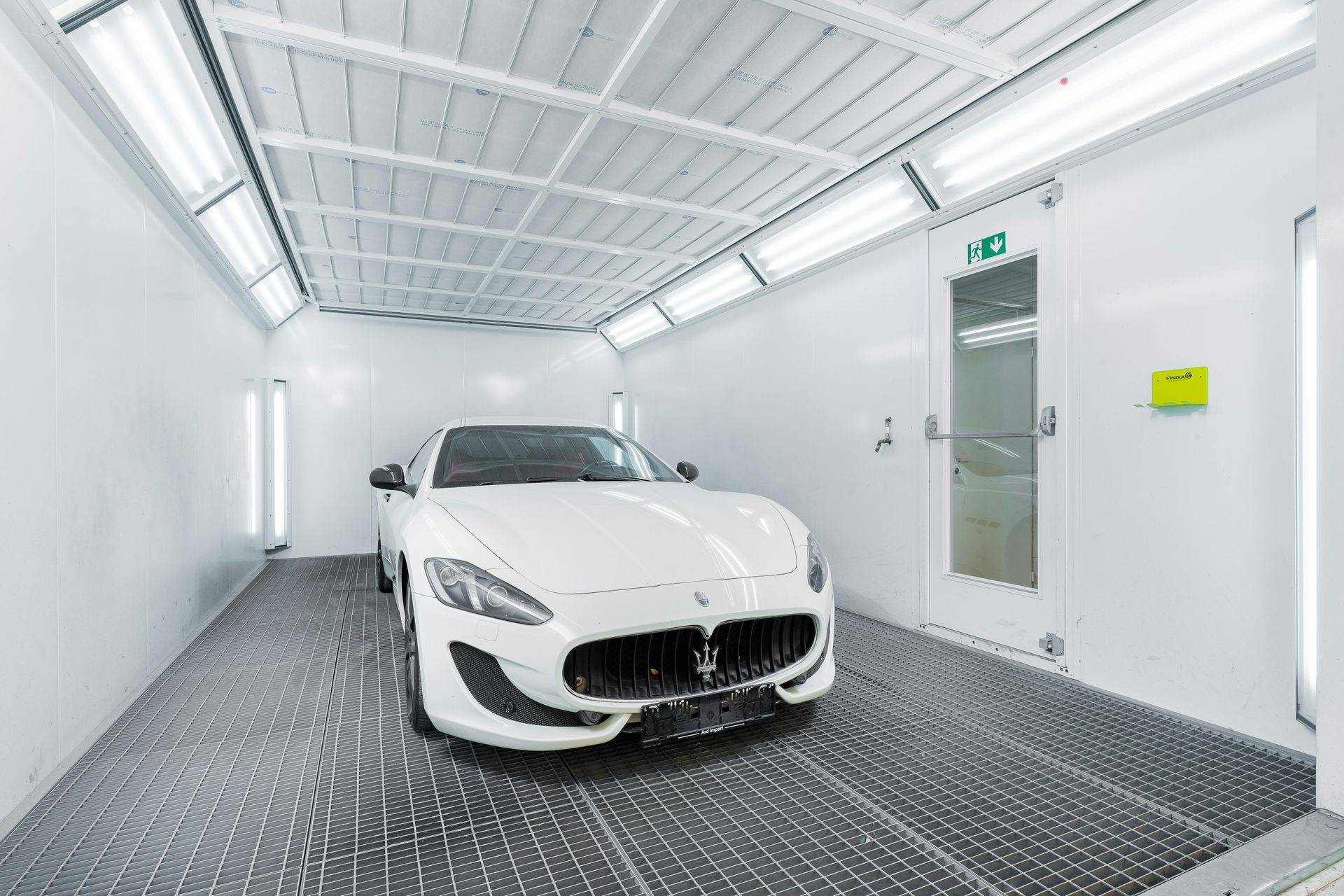
According to the Occupational Safety and Health Administration (OSHA), paint booths should have a mechanical ventilation system that continuously draws particles away from the work area, safely exhausts them, and prevents dangerous residue from accumulating.
What does proper ventilation really do?
Capture Overspray: Fine paint particles naturally become airborne during spraying. A ventilation system captures them before they can settle on surfaces.
Control Fumes:
Paints, primers, solvents, and coatings release chemical vapors during application. Effective ventilation removes these contaminants.
Manage Temperature:
Proper airflow helps maintain consistent temperatures during spraying and curing, creating a more comfortable working environment.
Many facility owners focus on passing inspections. However, these checkups are the baseline. A booth can technically meet minimum requirements while still having airflow patterns that leave workers at risk.
Health Risks of Poor Ventilation
When ventilation fails to do its job, air quality suffers. Over time, your painters and those outside the booth come into contact with solvents, isocyanates, and fine particulates suspended in the air.
The effects are not dramatic at first. Some may experience headaches, nasal and lung irritation, and fatigue. These symptoms often disappear, making them easy to dismiss. Unfortunately, these symptoms can lead to long-term issues. Repeated exposure may contribute to chronic respiratory problems.
That said, paint booth ventilation for worker health should be part of the conversation when designing, using, and upgrading your units. Marginal systems are not enough because compliance does not equal optimal protection.
Designing Ventilation for Health First
With your employees’ protection as the goal, you must know the factors that influence ventilation performance. Here are some of them.
Balanced Airflow, Negative and Positive Pressure, and Air Changes
Every booth has its own airflow pattern, determined by its design, workspace layout, surrounding equipment, and outdoor conditions. Two booths built from the same plans can differ in airflow.
Moreover, most units operate with either slightly negative or slightly positive air pressure. Negative pressure prevents contaminated air from escaping into nearby workspaces by pulling air inward. In contrast, positive pressure works in the opposite direction, stopping contaminants from entering the booth. Neither is automatically better than the other. What matters most is balance.
Consider the air change rate as well. It tells you how many times all the air inside a space is completely replaced within one hour, and different types of spaces require different rates. A spray booth demands much more frequent air replacement than an office or storage room.
Correct Exhaust Stack and Air Make-Up Unit (AMU) Placement
Once contaminated air leaves the spray area, exhaust fans pull it through the booth and into the ductwork, then safely outside the building. Of course, all that exhausted air must be replaced, which an Air Make-Up Unit does. The AMU brings in fresh outdoor air, filters it, and conditions it.
If the exhaust stacks and AMUs are positioned incorrectly, contaminated air can circulate back toward the building instead of being safely carried away.
Filtration
Intake and exhaust filters collect dust, overspray, and debris, ensuring the air your team breathes is clean despite hours of spraying. Their job is to keep air flowing the way you designed your booth to perform.
Operational Practices That Support Healthy Air
Once your system is installed, are you good to go? Not quite. Paint booth ventilation for worker health is a
continuous
responsibility.
One of the simplest habits is to follow a consistent schedule for filter replacement since filters eventually get clogged and restrict airflow. Also, conduct routine visual inspections of airflow and pressure, as components naturally wear over time. It would be impossible to know what needs adjustment without regularly checking.
Finally, do not underestimate the value of operator training. Painters spend more time inside the enclosed spaces than anyone else; they are likely the first to notice warning signs. Empower them to recognize strange odors, lingering haze, and uneven draws, so they can report them before it is too late.
Going Beyond Compliance: Culture and Communication
Healthy ventilation is an engineering decision and a part of your company’s culture. Strengthening it involves the environment, health, and safety (EHS) professionals and the people who actually work in the booths. When everyone contributes to decisions, everyone benefits.
It is also ideal to incorporate air quality measurements into regular safety meetings. Do not discuss ventilation only when something goes wrong. Always discuss it to help your team understand it.
Make it visible by displaying maintenance schedules and evaluating performance together. Emphasize that clean air is just as crucial as production targets.
Prioritize Your Spray Booth Air Quality
Yes, compliance with paint booth ventilation is for your business, but ultimately, it is for the good of your employees. After all, there will be no operations without them.
Protect your team, not just your permits. Upgrade to ventilation solutions that put worker health first. Call GSB Industries at (770) 454-0773 or contact us online to review your current booth airflow and explore ways to enhance safety, comfort, and long-term performance.