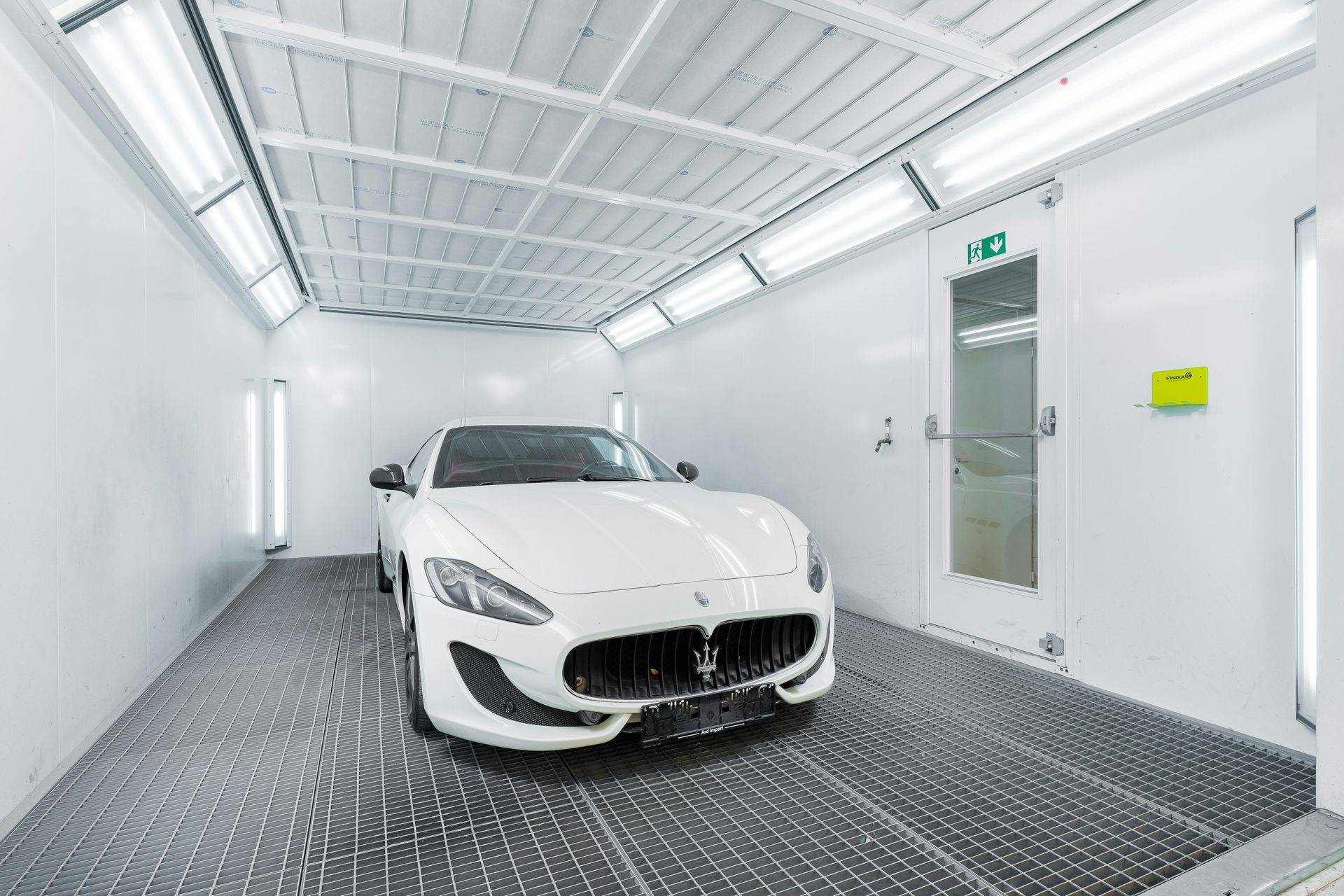
Paint booths once did one job: contain overspray and move air safely.
Given today’s demands from various industries, that role has grown considerably. More specifically, modern booths run on programmable controls, monitor their own performance, and trim energy use without slowing your shop down.
These innovations show how the future of paint booths points toward automation for more consistent finishes and sustainability for lower operating costs.
If a booth purchase or
upgrade is on the radar for you, knowing where the technology is headed helps you invest with confidence.
Automation Trends Shaping Tomorrow’s Booths
Automation has shifted from a premium extra to a baseline expectation in professional finishing. Three developments stand out for any shop planning its next booth.
Programmable Controls and Recipes
Newer control panels store spray, flash, and bake settings as recipes you can recall with a single tap. With those recipes, operators spend far less time on manual adjustments, and every cycle runs the same way. That repeatability cuts rework and protects finish quality from shift to shift.
Robotic Application and Conveyor Integration
Robotic applicators and conveyor systems keep high-volume lines moving at a steady, predictable pace. Because a robot holds the same distance and speed on every part, it improves uniformity and frees your skilled painters for detailing work.
If you run large production batches, that added throughput compounds quickly.
Real-Time Monitoring
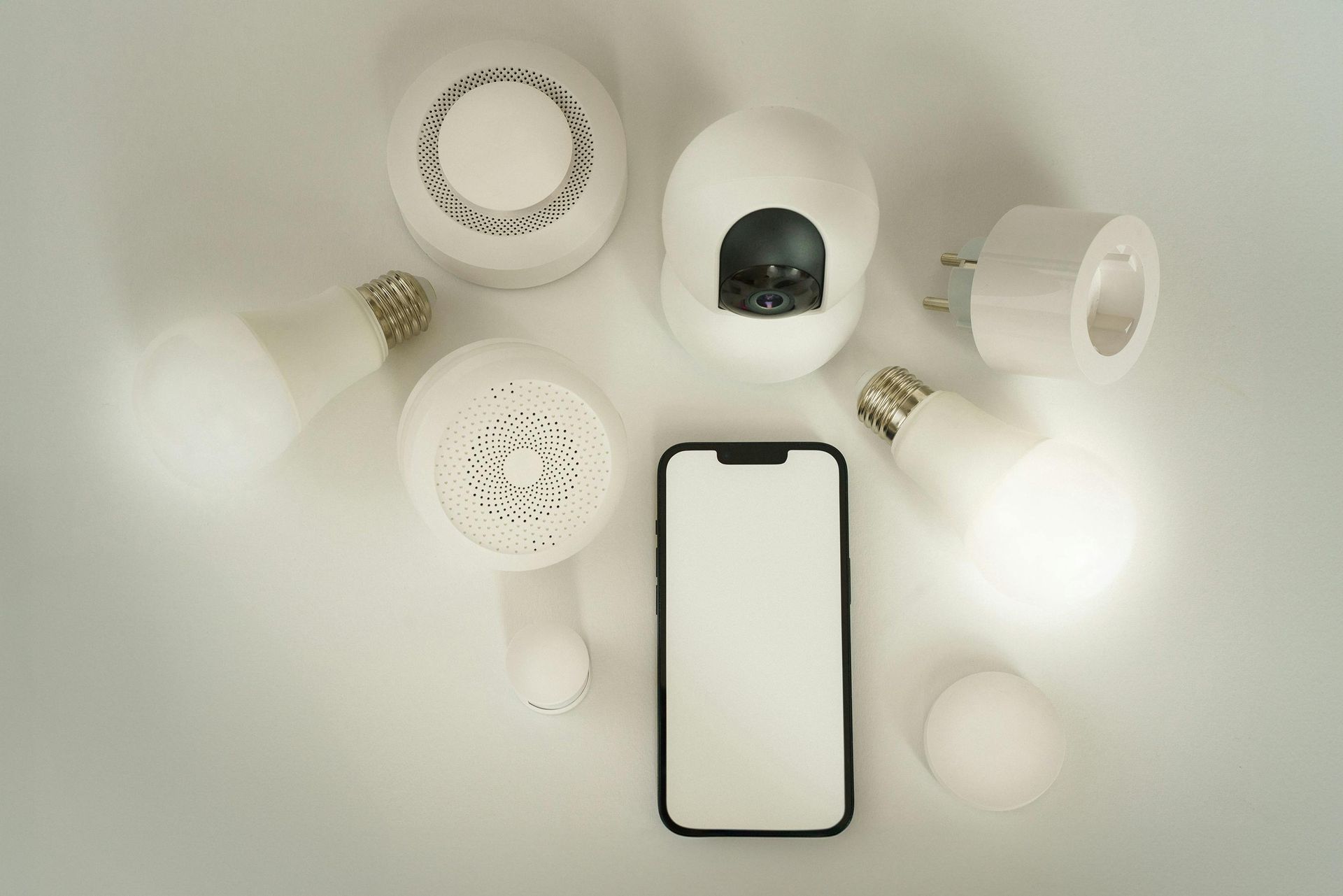
Today’s booths watch airflow, temperature, and filter load while a job runs. When a filter loads or pressure drops, sensors flag the problem before it spoils a finish or strains equipment. You see the health of your booth without walking the floor to read gauges.
Sustainability as a Core Design Pillar
Energy ranks among the highest ongoing costs of operating a booth, so efficiency now drives design from the first drawing. Several proven technologies lower consumption while holding performance steady.
Efficient Fans, Burners, and Lighting
High-efficiency airfoil fans hold airflow steady as filters load, and they draw less power while doing it. Against roughly 80 percent for indirect-fired units, direct-fired burners reach full thermal efficiency. Upgrading to LED booth lighting lowers lighting energy by up to 40 percent versus older fluorescent tubes and lasts close to 50,000 hours.
Heat Recovery and Recirculation
Heat recovery systems reclaim warmth from exhausted air and put it back to work, saving 40 to 50 percent of the energy an air make-up system uses.
Rather than venting all their conditioned air, recirculating booths reuse much of it. At 80:20 recirculation rate, energy use falls by a factor of five.
Layouts That Reduce Waste
Overspray losses trace directly to booth layout. Downdraft airflow and well-placed filters draw overspray off the part and capture it cleanly, so more coating lands where you intend.
As a result, the material costs can be lower, and there will be less hazardous waste to handle.
Where Automation and Sustainability Overlap
The strongest returns come from features that serve efficiency and automation at once. Smart controls and reliable data make a booth cheaper to run and gentler on the environment.
Demand-Based Airflow and Heat
Variable frequency drives match fan speed to what the booth actually needs, rather than running motors flat out all day. Paired with a smart control panel, they trim electrical and fuel costs by at least 30 percent, and payback can land inside a year.
Data-Driven Maintenance
Booths that log filter load and cycle counts tell you when service is genuinely due. You replace parts on real wear instead of a fixed calendar, which prevents early swaps and surprise breakdowns alike. Lower parts waste and less downtime are the direct result.
Smarter Filtration
By sustaining capture performance longer,
multi-stage filtration keeps exhaust clean through fewer filter changes. Efficient filtration guards air quality on your floor and helps you meet the EPA and OSHA rules that govern emissions and worker safety.
Emerging Technologies on the Horizon
A few developments are still maturing, yet they point clearly toward where finishing is going. Keep them in view as you plan upgrades further out.
- AI-assisted process control: The performance data booths already gather will train models that predict defects and catch drift before it reaches a finished part.
- Advanced materials: Improved seals, filter media, and panel construction extend equipment life and tightening containment.
- Plant-wide integration: Booths are linked into MES and ERP systems, giving managers a full view of finishing alongside the rest of production.
Preparing Your Operation for the Future
You do not have to replace everything at once to move forward. A focused plan helps you sequence the upgrades that pay back first.
- Audit your current booth: Pinpoint where it caps throughput, wastes energy, or falls short of compliance standards.
- Prioritize high-impact upgrades: VFDs, LED lighting, and heat recovery tend to return the fastest, so begin there.
- Choose the right partner: Pick a supplier that designs for automation and efficiency, not only for the job in front of you.
Set Up Your Shop for What Comes Next
Automation and sustainability are redefining what a paint booth can do, from recipe-driven controls to heat recovery that cuts your energy bills. Shops that plan around these paint booth technology trends now will spend less and produce better work for years ahead.
At GSB Industries, we offer automated sustainable spray booths built for that future.
Reach out for a free estimate today, and future-proof your work and paint service delivery.