Environmental compliance used to be something industrial facilities managed reactively. Ordinarily, a citation would come in, and then changes followed.
This reactive approach is no longer common in regulatory practice.
Of late, government agencies like the EPA have tightened
air quality standards for industrial operations, and sustainability commitments are increasingly tied to measurable emissions data.
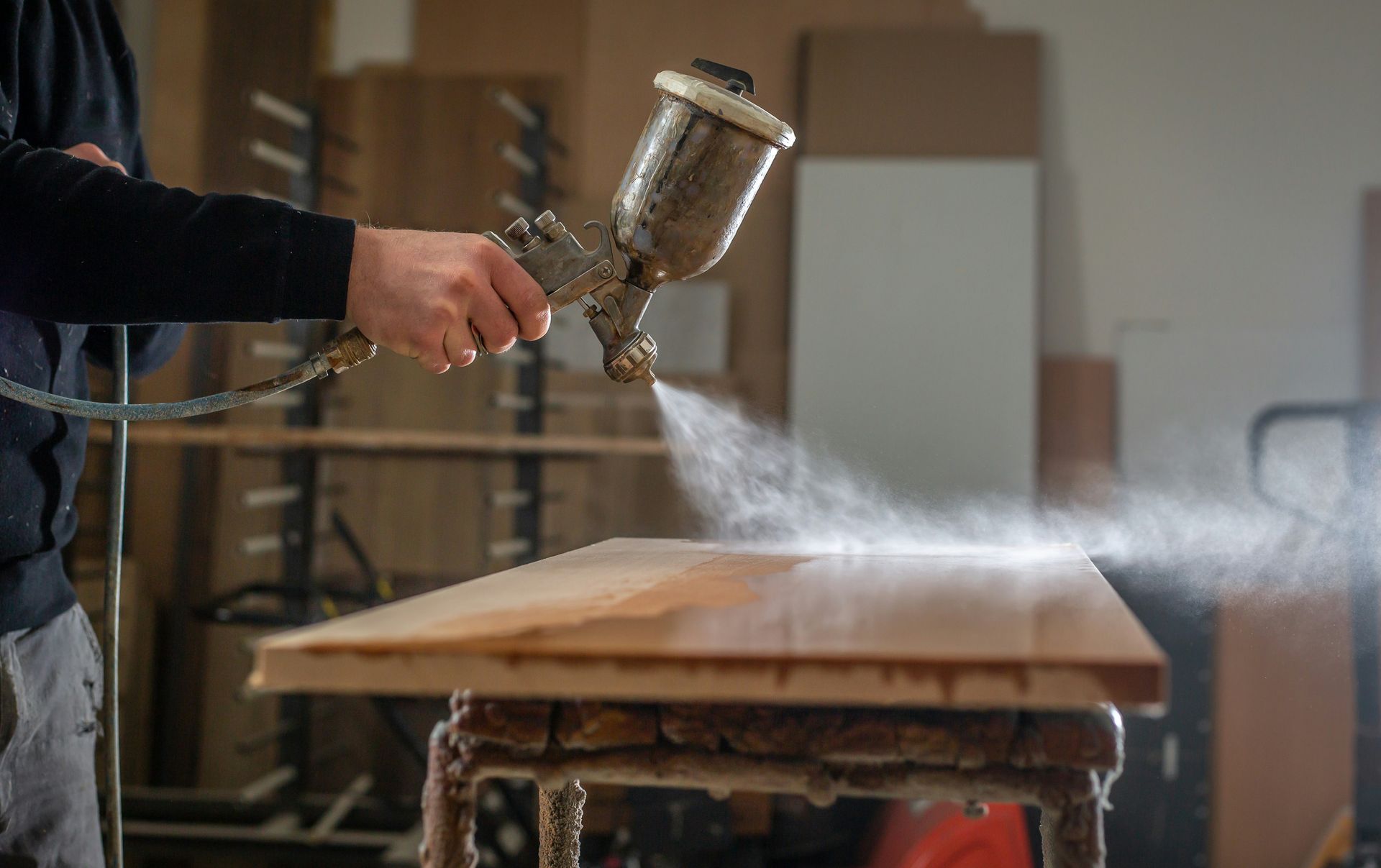
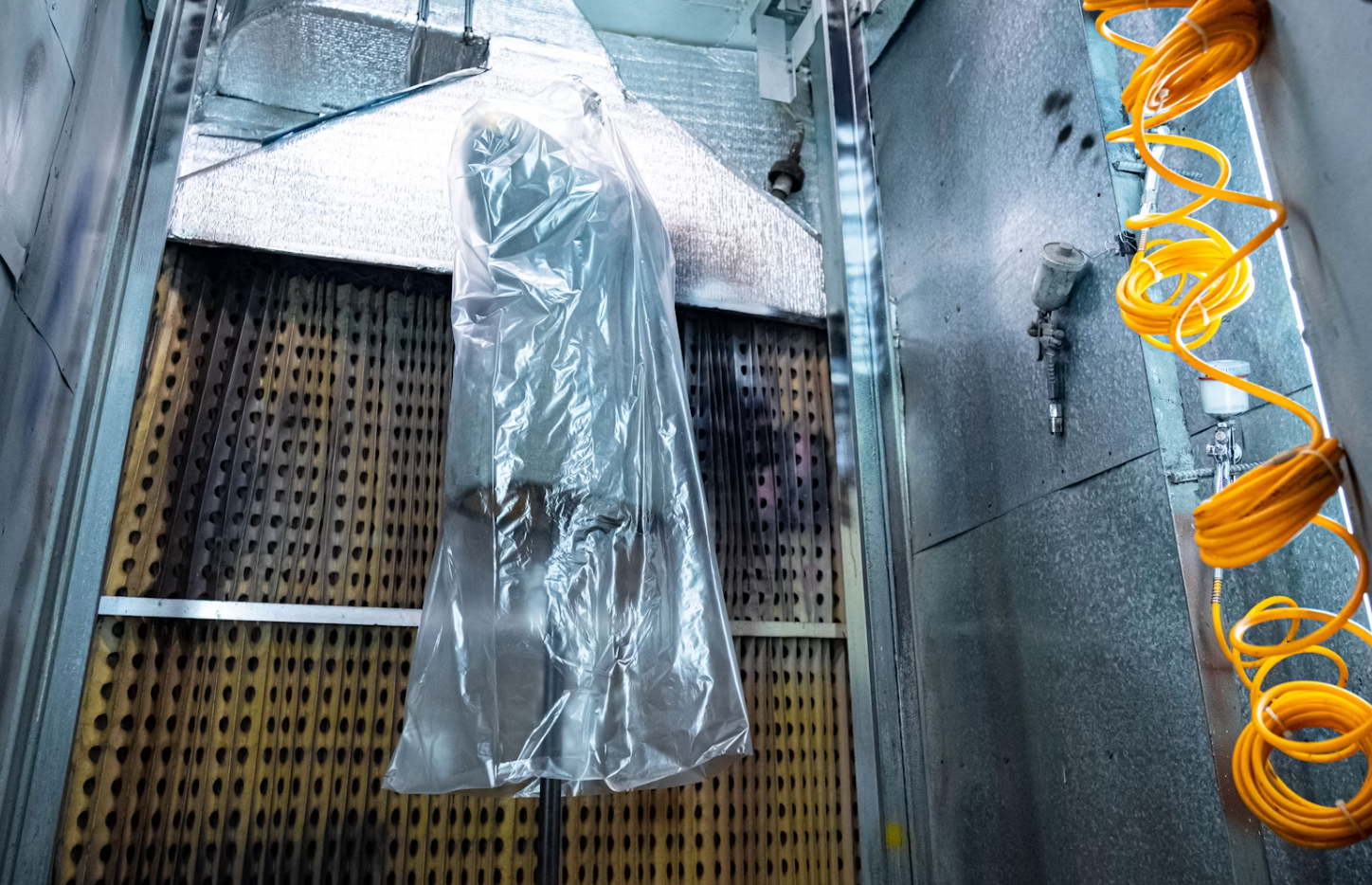
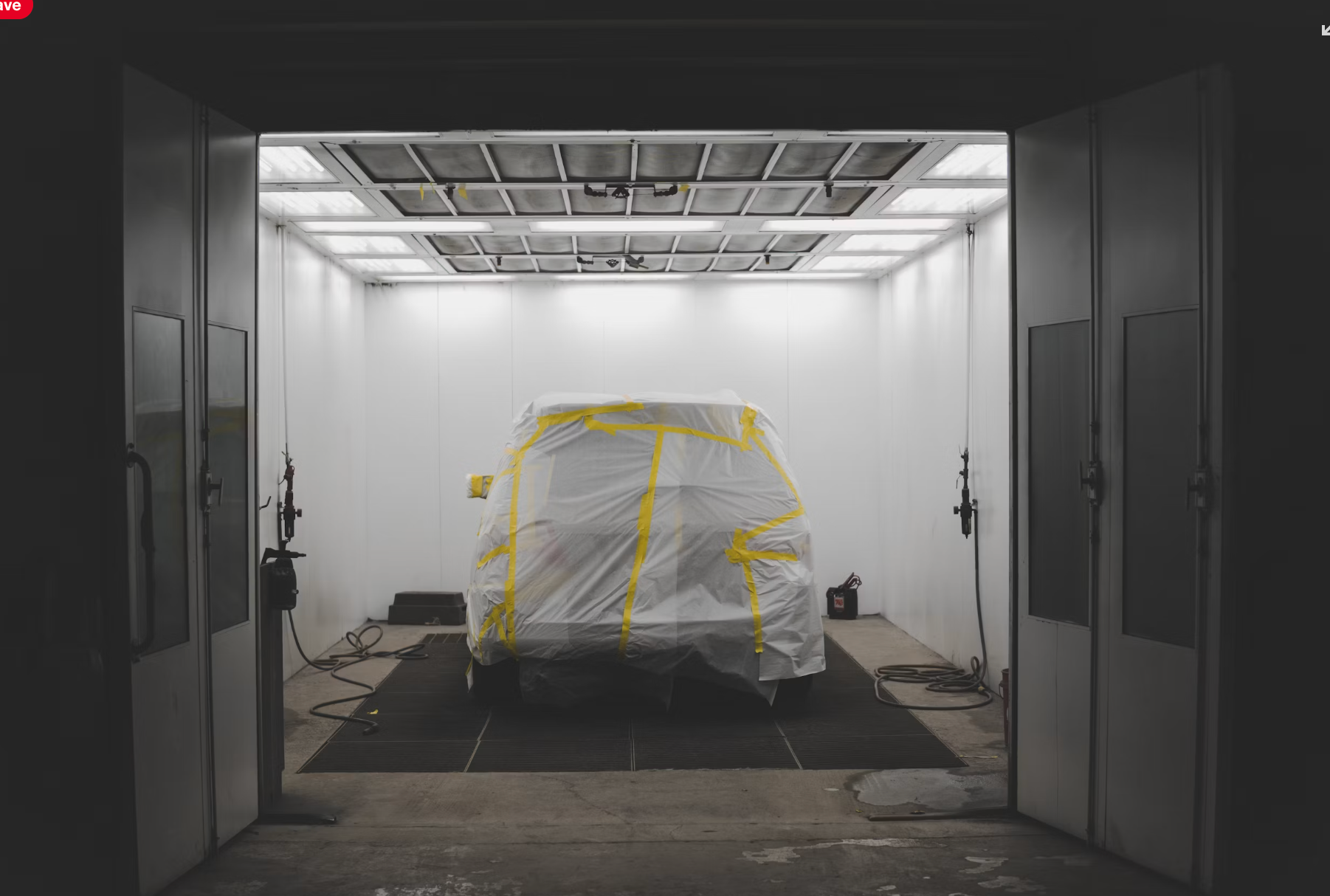
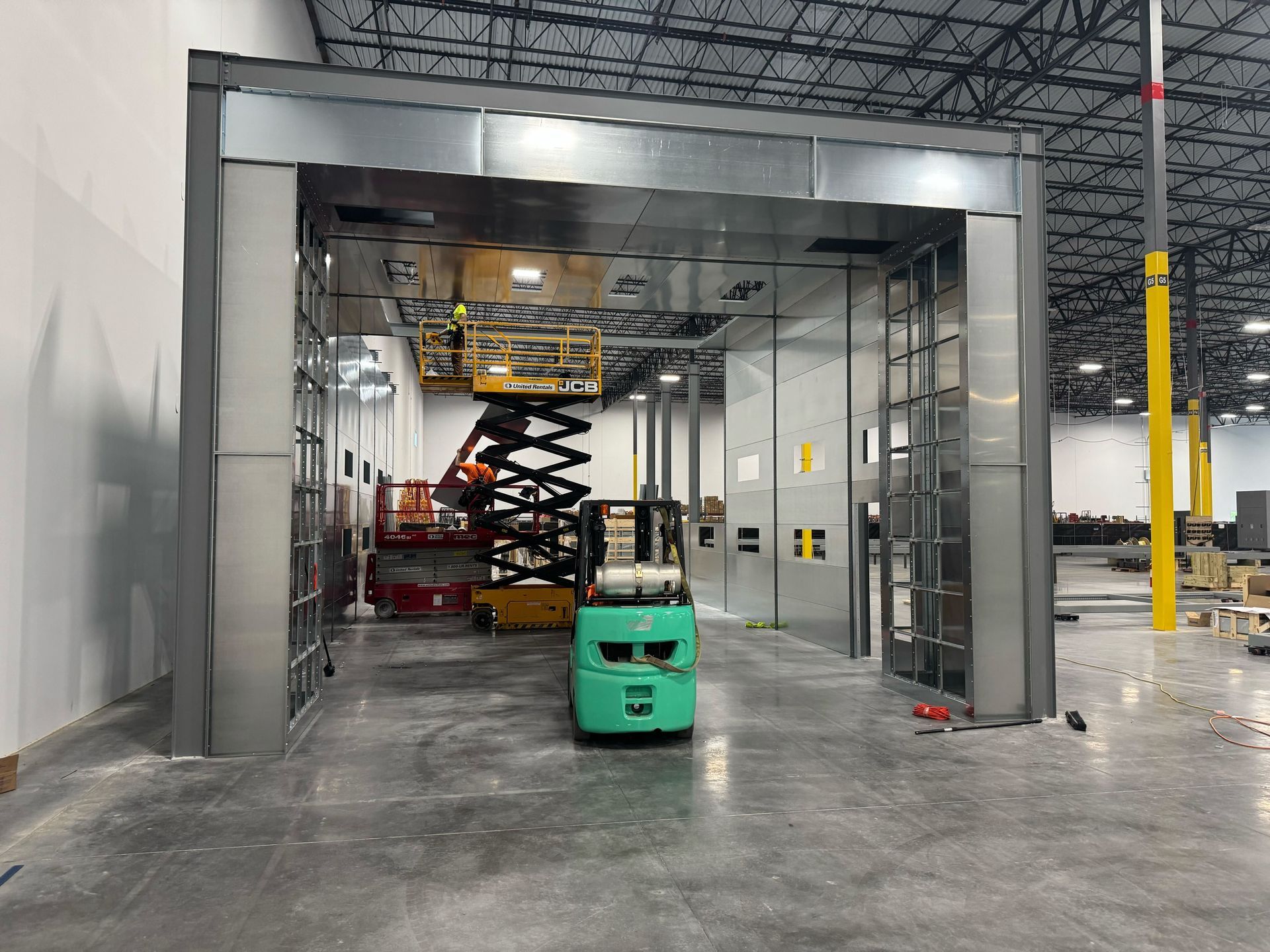
If you’re running paint booths, the environmental impact of industrial spray booths often comes down to how well the air filtration system is designed.
Given current government standards, a single-stage filter will no longer suffice. You’ll need multi-stage filtration paint booths.
These address gaps left by single filters: full particle-size spectrum, VOC-laden exhaust, and fine overspray that escapes upstream capture.
Learn more about what these systems are,:
What Is Multi-Stage Filtration?
A paint booth air filtration system with multiple stages uses a sequence of filter media, with each layer designed to intercept a specific range of contaminants before the air exits the booth. Most
industrial paint booth filtration systems follow a three-stage structure:
- Pre-filters: Capture large particles such as dust, debris, and coarse overspray before they reach more expensive downstream media.
- Primary filters: Target finer particles and heavier overspray concentrations, carrying the bulk of the filtration load.
- Final filters: High-efficiency media that intercept fine particulates and residual contaminants as the last barrier before exhaust air exits the facility.
Each stage builds on the previous one. When systems perform well, primary and final filters last longer and work more efficiently throughout their life.
Environmental Advantages of Multi-Stage Filtration Paint Booth Systems
Multi-stage filtration directly reduces the volume and concentration of pollutants reaching the atmosphere. Here is how each advantage plays out in practice.
Improved Capture of Fine Particulates
The EPA's National Ambient Air Quality Standards set specific thresholds for PM2.5 and PM10 emissions, both of which are generated during spray coating operations. Unfortunately, single-stage filters rarely achieve the capture rates needed under heavy production loads.
Multi-stage systems layer progressively finer media. For this reason, by the time air reaches the final filter, most of the coarser load is already gone.
Reduced VOC Emissions
VOCs are regulated under EPA air quality programs and most state permitting frameworks. Effective multi-stage filtration reduces VOC-carrying aerosols in the exhaust stream and, for facilities with ESG reporting obligations, provides verifiable data on emissions reductions.
Regulatory Compliance
OSHA’s ventilation standards specify minimum air velocity and exhaust requirements for spray finishing.
EPA regulations govern atmospheric emissions on top of that. A properly designed multi-stage system, with tracked replacement intervals and documented capture rates, provides a defensible compliance record across all of these frameworks.
Operational Benefits That Support Sustainability
Environmental performance and operational efficiency reinforce each other in well-designed filtration systems.
Filter Longevity Through Load Distribution
Pre-filters absorb the bulk of the particulate load before it reaches the primary and final stages, preventing premature loading of expensive, high-efficiency media. Longer replacement intervals mean lower consumable costs and less contaminated filter waste going to landfill.
Stable Airflow and Lower Energy Consumption
As filter media fills, resistance increases, and fans work harder to maintain the target CFM.
Multi-stage filtration paint booths slow the loading rate on each filter,
keeping airflow more consistent across the full service interval. That stability lowers energy consumption in the ventilation system and reduces variation in coating quality.
Reduced Downtime
Clogged filters force unplanned shutdowns, rushed maintenance, and gaps in exhaust capture during changeover. Distributing wear across multiple stages gives facility managers more predictable replacement cycles and time to plan maintenance properly.
Designing the Right Filtration Strategy
Getting the full benefit of multi-stage filtration depends on designing the system around your actual production conditions. Three factors drive most of the decisions.
Matching Your Media to Coating Type
Solvent-borne coatings generate higher VOC concentrations than waterborne systems. Powder coatings produce dry particulate rather than liquid overspray. Specialty coatings each carry their own exhaust chemistry.
Our paint booth air filtration systems and solutions match media type and configuration to the specific demands of your process.
Accounting for Production Volume
A booth running two shifts loads filters significantly faster than one handling intermittent touch-up work. Pre-filter sizing, primary media density, and final filter efficiency ratings should reflect your peak throughput, not an industry average.
Installation and Maintenance Discipline
Filter bypass — where air moves around rather than through the media — is a common cause of emissions failures. Proper frame sealing and tight fitment at every stage matter as much as filter specifications. Documented replacement logs keep the system at spec and provide the paper trail needed for inspections and permit renewals.
Turning Filtration Data into a Sustainability Story
Replacement intervals, waste volumes from spent media, and differential pressure readings across each stage all tell you how the system is performing.
Collected consistently, that data supports ESG disclosures, compliance reporting, and internal sustainability targets. If you’re already investing in
energy-efficient booth design, a properly engineered filtration system is the key to whether your air quality goals are actually met in practice.
Reduce Emissions and Build a Compliance Record That Holds Up
Multi-stage filtration reduces particulate and VOC emissions, extends filter media life, and generates operational data needed for credible sustainability and compliance reporting. The design decisions, from media selection to installation quality, determine how well those benefits translate to your facility.
Take the next step towards better booth compliance, greater environmental impact, and visible efficiency.
Contact us at GSB Industries, and let our team evaluate your current setup and design a multi-stage system built around your production requirements and compliance obligations.